Hair Transplant Maintenance: Protecting Your Results Long-Term
Transplanted Hair Is Permanent — Native Hair Is Not
One of the biggest misconceptions about hair transplants is that the procedure "fixes" hair loss permanently. The truth is more nuanced: the transplanted hair is permanent, but the native hair surrounding it can continue to thin.
Without ongoing maintenance, you risk developing a visible gap between transplanted and thinning native hair — a result that looks unnatural and defeats the purpose of the transplant.
The Maintenance Toolkit
Finasteride (Propecia)
The single most important maintenance medication. Finasteride blocks the enzyme that converts testosterone to DHT, the hormone responsible for male pattern baldness.
- Effectiveness: Slows or stops hair loss in approximately 90% of men
- Usage: 1mg daily, taken orally
- Timeline: Visible results at 3–6 months; maximum benefit at 12 months
- Long-term: Must be continued indefinitely to maintain benefits
Minoxidil (Regaine)
A topical treatment that increases blood flow to follicles and extends the hair growth phase.
- Effectiveness: Can slow loss and stimulate some regrowth
- Usage: Applied to the scalp twice daily
- Best for: Complementing Finasteride for a combined effect
- Note: If you stop, any hair retained by Minoxidil will shed
PRP Therapy
Platelet-rich plasma injections that deliver growth factors to the scalp.
- Post-transplant: Sessions at months 3 and 6 can boost graft survival
- Long-term: Maintenance sessions every 6–12 months support native hair
- Standalone: Also effective for patients not yet ready for surgery
Ketoconazole Shampoo
An antifungal shampoo (Nizoral) that may help reduce scalp inflammation and DHT activity at the follicle level.
- Usage: 1–2 times per week
- Benefit: Complements Finasteride and Minoxidil
- Bonus: Helps with dandruff and scalp health
Lifestyle Factors That Matter
Nutrition
Hair is made of protein (keratin). A diet rich in protein, iron, and vitamins supports healthy hair growth. Key nutrients:
- Protein: 1.2–1.6g per kg body weight daily
- Iron: Red meat, lentils, spinach
- Vitamin D: Supplement in UK winters
- Biotin: Eggs, nuts, seeds
Stress Management
Severe stress can trigger telogen effluvium — a condition where hair shifts prematurely into the shedding phase. While stress-related shedding is usually temporary, it can compound genetic hair loss.
Sleep and Recovery
Poor sleep affects hormone balance and circulation, both of which impact hair health. Aim for 7–9 hours of quality sleep.
Avoid Smoking
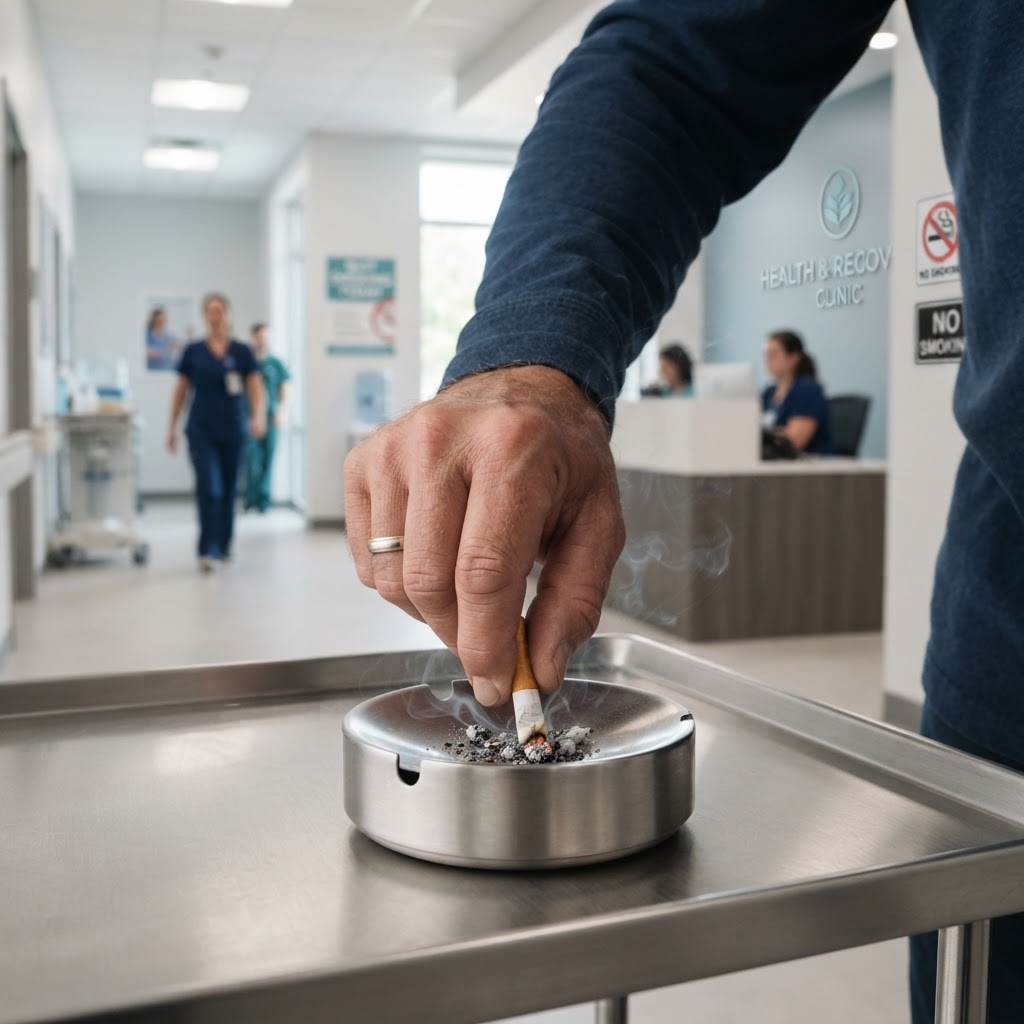
Smoking restricts blood flow to the scalp and accelerates hair loss. If you've had a transplant, quitting smoking protects your investment.
Long-Term Monitoring
We recommend annual check-ups to assess:
- Transplanted hair health
- Native hair progression
- Medication effectiveness
- Whether adjustments to your maintenance plan are needed
What Happens If You Don't Maintain?
Without maintenance, native hair behind the transplanted area may continue to thin. Over 5–10 years, this can create:
- A visible "island" of transplanted hair
- An unnatural appearance
- The need for a second transplant procedure
The Bottom Line
A hair transplant is an investment in your appearance and confidence. Protecting that investment requires a simple but consistent maintenance routine — primarily Finasteride and regular check-ups. The effort is minimal; the payoff is a lifetime of natural-looking results.
Book a free consultation to discuss a complete treatment and maintenance plan.
Ready to Start Your Hair Restoration Journey?
Book a consultation to discuss your goals and receive a personalised treatment plan
Book Consultation