Flying After a Hair Transplant: When Is It Safe?
Most people can fly within a few days of a hair transplant, as long as their surgeon agrees and they protect the grafts on the journey. Short flights are usually simpler than long-haul, because a long flight adds a higher risk of blood clots on top of recent surgery.
No UK body publishes a fixed rule on flying after a hair transplant. What you do have is clear NHS guidance on how grafts heal, Civil Aviation Authority (CAA) guidance on surgery and flying, and NHS advice on blood clots during long journeys. Put together, they tell you what to plan for and what to ask your surgeon.
When can you fly after a hair transplant?
It depends on three things: how far you are flying, how your scalp is healing, and your own health. Your surgeon should give you a date based on all three.
Why hair transplants are treated differently from major surgery
The CAA's guidance on surgical conditions sets out waiting times for procedures that leave gas in the body. It advises avoiding air travel for 10 days after abdominal surgery and about 7 days after neurosurgery, because trapped gas "will expand by approximately 30% by volume at a cabin altitude of 8,000 feet".
A hair transplant does not involve any of that. The NHS says it is "usually carried out under local anaesthetic and sedation", takes about a day, and you go home the same evening. No gas is put into the body and there are no deep wounds. So the things to plan around are the grafts, the swelling and the risk of blood clots.
What the NHS says about the first two weeks
The NHS says you need to be "very careful with your transplanted hair for the first 2 weeks after your operation" because "the grafts will not be secure". That fortnight is the window that matters for travel. An airport involves bags, overhead lockers, crowds and tight seats, and every one of those is a chance to knock your head.
Flying timeline: what each stage means for travel
The table below uses the NHS recovery milestones to show what is going on with your scalp at each point and what that means for a flight. It is a planning guide, not a set of rules. Your surgeon's advice comes first.
| Time after surgery | What is happening (NHS) | What it means for flying | |---|---|---| | Day 1 | Procedure done, home the same day | Rest. Do not plan to fly | | Days 2 to 5 | Bandages can usually come off. Do not touch the grafts | Swelling is often at its worst. Short flights only if your surgeon agrees | | Day 6 | You can usually wash your hair gently by hand | Grafts are still settling. Scabs are visible | | Days 10 to 14 | Non-dissolvable stitches can usually be removed | Most scabs have gone. Travel is much easier | | After 2 weeks | Grafts are more secure | Most people find flying easy from here |
Short-haul vs long-haul
A one-hour domestic flight and a 12-hour flight carry different risks. On a short flight, the main job is protecting your head while you board and sit. On a long flight, you also need to think about sitting still for hours, which brings in the blood clot question below.
Swelling and cabin pressure
The NHS lists "a tight, achy and swollen scalp for a few days" as a common side effect. No UK guidance says cabin pressure harms grafts. Sitting upright for hours with little movement can make swelling feel worse. Our guide to sleeping after a hair transplant explains why keeping your head raised helps.
Blood clots: the main risk on long flights
Deep vein thrombosis (DVT) is a blood clot in a vein, usually in the leg. The NHS DVT page, updated in 2026, lists two situations that raise your risk. One is when you "are having, or have had, surgery". The other is when you "go on a long journey (more than 4 hours) by plane, car or train".
A hair transplant is a minor procedure compared with the operations behind most clot warnings. Even so, the two risks add up. The British Association of Plastic, Reconstructive and Aesthetic Surgeons (BAPRAS) says that "flying soon before or after an operation abroad combines these risks, particularly if your flight is a long one".
Who is more likely to get a clot
The NHS says DVT is more likely if you:
- Are aged over 60.
- Are living with overweight or obesity.
- Smoke.
- Have had DVT before.
- Have varicose veins, cancer or heart failure.
- Are dehydrated.
If any of these apply, tell your surgeon before you book flights.
How to lower your risk on a long flight
For journeys of 4 hours or more, the NHS recommends:
- wearing loose clothing
- drinking plenty of water
- avoiding alcohol
- walking around when possible
The NHS also says to get up and move around "every hour or so". Avoiding alcohol fits your aftercare anyway. See alcohol after a hair transplant for when it is safe to drink again.
Symptoms to act on
The NHS lists throbbing pain or swelling in one leg, usually in the calf or thigh, as signs of DVT. If you have these after a flight, ask for an urgent GP appointment or contact NHS 111. Call 999 if you also feel short of breath or have chest pain.
How to protect your grafts at the airport and on the plane
On travel day, the biggest risks to new grafts are knocks and friction. These steps cut the risk.
Before you go
- Pack light. You should not be lifting heavy bags into overhead lockers in the first days. Check a bag in or travel with someone who can lift for you.
- Book an aisle seat. It makes getting up to walk easier and keeps your head away from the window wall.
- Bring your aftercare kit. Keep any spray or products from your clinic in your hand luggage, within liquid limits.
- Plan your return date. If you are travelling to the UK for surgery, book your flight home after you know your surgeon is happy with your first check.
On the plane
- Watch the overhead lockers. Boarding and leaving are when most people bump their heads.
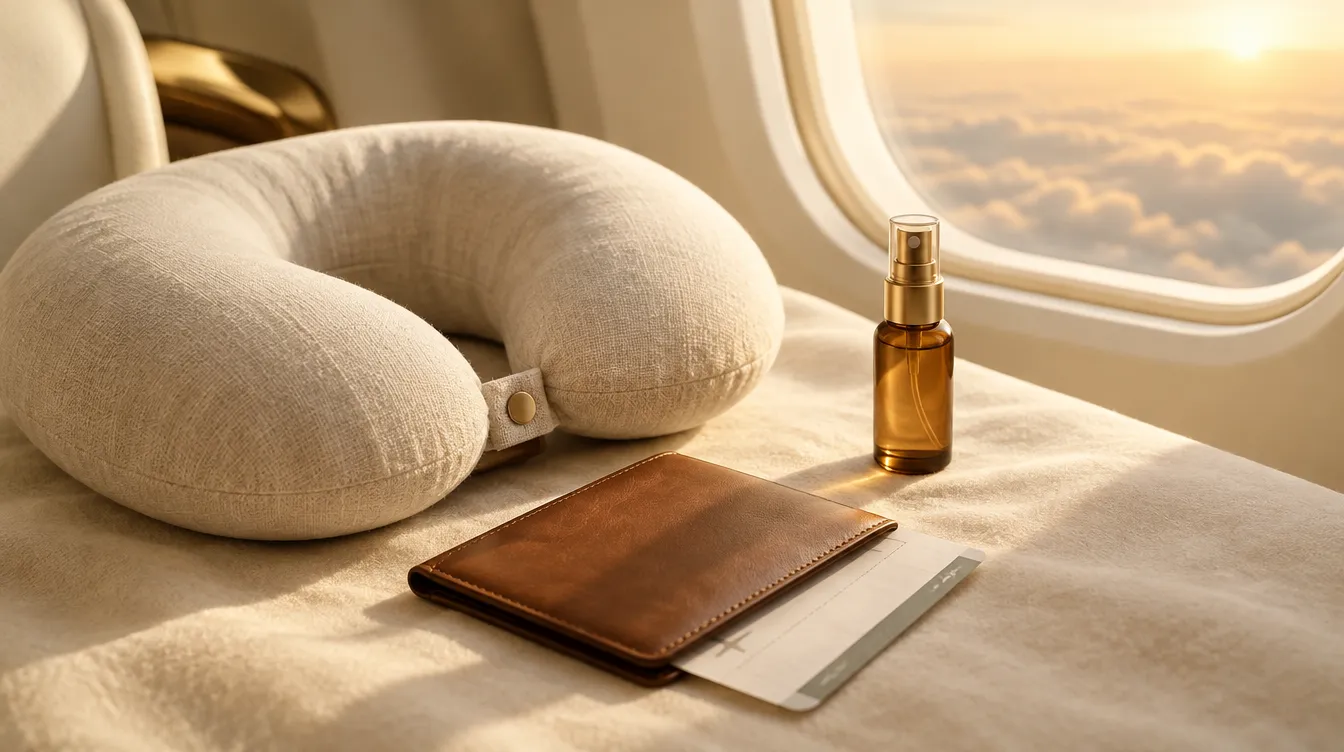
- Use a travel pillow around your neck. A U-shaped pillow stops your head from falling against the seat or window if you doze off.
- Do not lean your head back on the transplanted area. Keep the recipient area off the headrest.
- Hats and hoods. Only wear a loose, clean hat if your surgeon has said it is safe. Read when you can wear a hat after a hair transplant first.
Do not turn it into a holiday
The NHS advice on surgery abroad says it is "unrealistic" to have a holiday straight after surgery. It says you should not drink alcohol, lie in the sun, go sightseeing or go in the water. That advice applies to a transplant too. If you have a holiday booked, plan your procedure so the first two weeks of healing come before you fly out.
Flying home after surgery abroad
Many UK men look at clinics abroad, often in Turkey. That means flying home within days of surgery, sometimes on a long flight, with no clinic nearby if something goes wrong.
Aftercare is the real issue
The NHS points out that overseas clinics "may not provide follow-up treatment", and "may not have a healthcare professional in the UK you can go to if you have any problems". BAPRAS adds that holiday insurance rarely covers problems after planned surgery abroad. Our Turkey vs UK comparison and cost breakdown cover the full picture, including travel costs.
Having it done in the UK
If you have your transplant in the UK, you can usually travel home by car or train the same day. You can see the same team again if you have a concern, and you only need to think about flying once you are healing well.
| Option | Price | What is included | |---|---|---| | Sapphire FUE | From £3,299 | One price up to 4,000 grafts, PRP on the day, aftercare | | DHI | From £3,999 | One price up to 4,000 grafts, PRP on the day, aftercare | | 0% payment plan | Deposit from £299 | 3 to 9 monthly payments, no credit check, paid off before surgery |
Surgery takes place at our partner clinic in Chiswick with GMC-registered surgeons, and we treat one patient a day. The clinic has won Prestige Awards in 2024 and 2025, and Hair Restoration Clinic of the Year at the Diamond Distinction Awards 2026. See payment plans for how the monthly payments work.
Planning your date around travel
- Send us 3 photos: front, top and side.
- We give you a graft estimate. Try our graft calculator for a rough idea first.
- On the video call, tell us about any flights you have booked so we can plan your date around them.
Everyone heals differently and no clinic can guarantee results. Treat any travel date as a guide and confirm it with your surgeon.
Related Reading
- Hair Transplant Recovery: Week-by-Week Timeline Guide
- Time Off Work After a Hair Transplant: How Long You Need
- Washing Hair After a Hair Transplant: Day-by-Day Guide
- Hair Transplant Turkey vs UK: The Honest 2026 Comparison
Frequently Asked Questions
How soon can I fly after a hair transplant?
There is no fixed UK rule. Many people can take a short flight within a few days if their surgeon agrees. The NHS says the grafts are not secure for the first 2 weeks, so flying is easier and lower risk after that point.
Does cabin pressure damage hair grafts?
There is no official guidance saying it does. The CAA's waiting times after surgery are about gas trapped in the body, which a hair transplant does not involve. The bigger risks on a flight are knocks to the head and swelling.
Can I fly long-haul after a hair transplant?
Talk to your surgeon first. The NHS says recent surgery and journeys of more than 4 hours both raise the risk of DVT. Drink water, avoid alcohol, wear loose clothes and walk around every hour or so.
Can I wear a hat on the plane after a hair transplant?
Only if your surgeon has said it is safe, and only a loose, clean one. A tight cap or hood can rub or press on new grafts in the first days.
Will airport security be a problem after a hair transplant?
Security checks do not affect the grafts. Keep your aftercare products in your hand luggage within liquid limits, and take care not to knock your head while lifting bags.
Can I go on holiday after a hair transplant?
Not straight away. The NHS advises against sun, swimming, alcohol and sightseeing straight after surgery. Plan your procedure so the first two weeks of healing are done before you travel.
Got a trip coming up? Book a consultation and send us 3 photos. We will give you a graft estimate and help you pick a date that fits your travel plans.
Ready to Start Your Hair Restoration Journey?
Book a consultation to discuss your goals and receive a personalised treatment plan
Book Consultation