Hair Transplant Without Shaving: Is It Possible in the UK?
Can You Get a Hair Transplant Without Shaving Your Head?
Yes, but with important caveats. A no-shave hair transplant (also called non-shaven FUE) is possible for select patients, but it depends on the area being treated, the number of grafts needed, and the technique used.
What Is a No-Shave Hair Transplant?
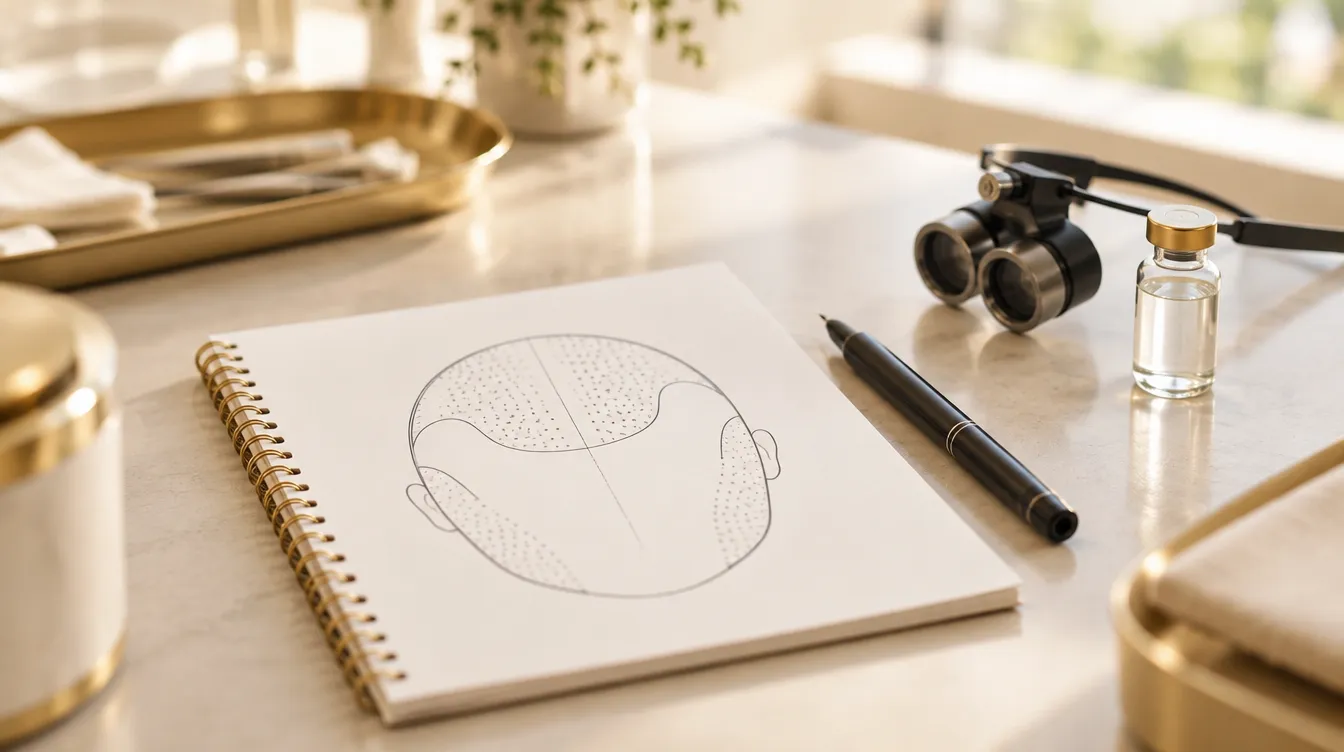
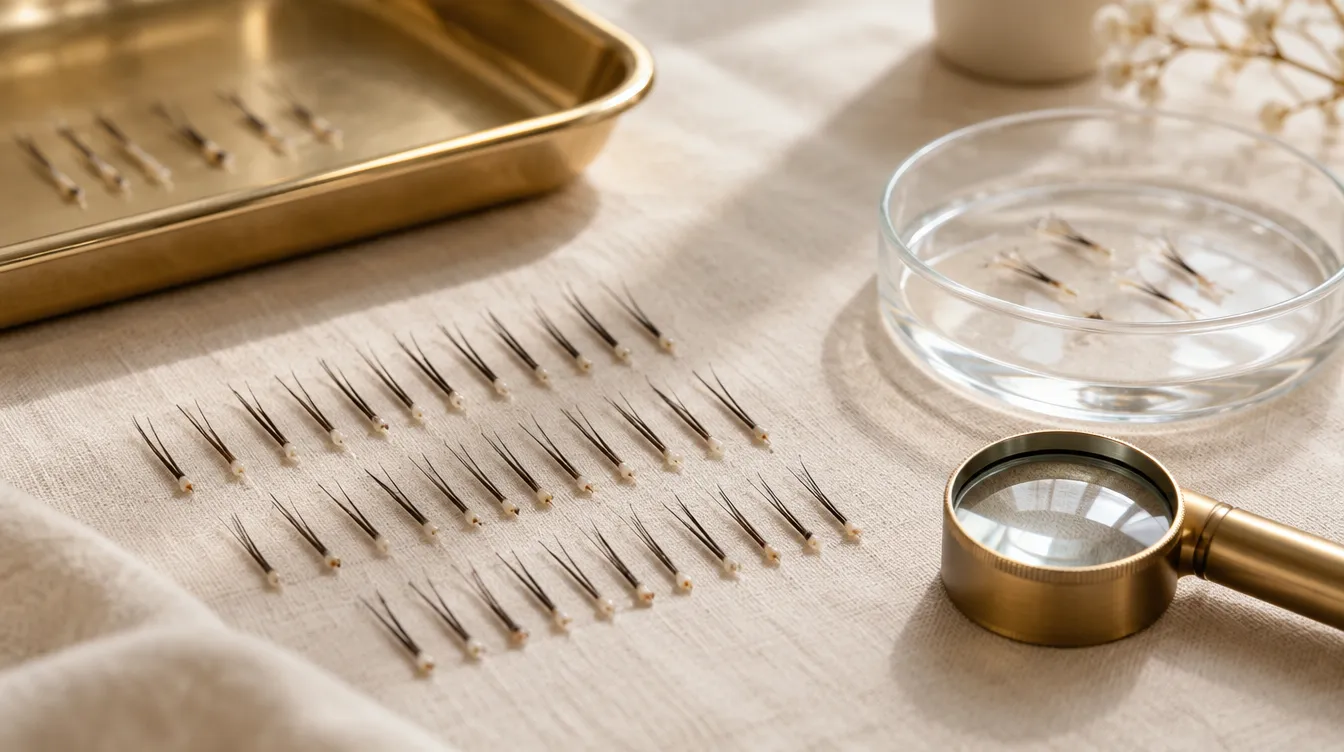
In a standard FUE or DHI procedure, the donor area (back and sides of the scalp) is shaved to allow precise extraction of follicular units. A no-shave approach leaves the donor hair at its normal length, and the surgeon works between the existing hair.
Types of No-Shave Transplant
| Type | Donor Area | Recipient Area | Best For | |---|---|---|---| | Fully non-shaven | Not shaved | Not shaved | Small procedures (under 1,000 grafts) | | Partially shaven | Small patches shaved, covered by surrounding hair | Not shaved | Medium procedures (1,000–2,000 grafts) | | Standard shaven | Fully shaved | Shaved | All procedures, best graft yield |
When Is a No-Shave Transplant Possible?
A no-shave approach is typically suitable when:
- You need fewer than 1,000 grafts (small areas like temples or minor crown work)
- Your donor hair is at least 2–3cm long to cover extraction sites
- You're treating a limited area (not full scalp restoration)
- The surgeon has experience with non-shaven techniques
When Is Shaving Necessary?
Shaving is recommended — or required — when:
- You need 2,000+ grafts for extensive restoration
- The donor area hair is too short to conceal extraction sites
- You want the maximum graft yield from the donor zone
- The surgeon needs maximum visibility for precise extraction
Pros and Cons of No-Shave FUE
Advantages
- No visible scarring or marks — nobody knows you had a procedure
- Immediate return to work — no waiting for hair to grow back
- No shaving shock — no post-shave regrowth phase
- Discreet — ideal for public-facing professionals
Disadvantages
- Lower graft yield — fewer grafts can be safely extracted
- Higher cost — the procedure takes longer and is more technically demanding
- Limited to small procedures — not suitable for extensive hair loss
- Not all surgeons offer it — requires specialised training
- Slightly higher transection risk — working around long hair is more challenging
How Long Does Hair Take to Grow Back After Shaving?
If you do opt for a standard shaved transplant, here's the regrowth timeline:
| Timeframe | Donor Area | |---|---| | 1 week | Stubble visible, redness fading | | 2 weeks | Hair is 3–5mm, covers extraction sites | | 4 weeks | Hair is 1cm, donor area looks normal | | 3 months | Full coverage restored |
Most patients find that within 2 weeks, the donor area is barely noticeable.
Frequently Asked Questions
Can I get a DHI hair transplant without shaving?
DHI can sometimes be performed without full shaving for small procedures, but the Choi implanter pen works best with a prepared (shaved) recipient area.
Is a no-shave hair transplant more expensive?
Will people notice I had a hair transplant if I shave?
After 2 weeks, the donor area is barely noticeable. Most patients return to work within 7–10 days.
Can I wear a hat to cover a shaved transplant?
Yes, you can wear a loose-fitting hat from day 3 onwards to cover the donor area while it heals.
Unsure whether you need shaving? Book a consultation and our surgeon will assess whether a no-shave approach is suitable for your case.
Ready to Start Your Hair Restoration Journey?
Book a consultation to discuss your goals and receive a personalised treatment plan
Book Consultation